Careless driving is a broadly defined traffic offence that can apply to a wide range of situations, often leading to serious legal consequences.
- The legal definition is intentionally vague, making it applicable to many different driving behaviors.
- Police often use this charge as a “catch-all” when multiple or unclear violations occur.
- Careless driving is frequently cited after accidents, especially when the cause is uncertain.
- Penalties can be severe, reinforcing its use as a key enforcement tool.
- Common examples include distracted driving, tailgating, unsafe lane changes, and being involved in collisions.
- Given the complexity and potential consequences, professional legal representation is strongly recommended.
Want to know how to protect yourself from a careless driving charge? Read the full article to understand the risks and how to respond effectively.
If you’ve ever wondered why careless driving charges seem so prevalent in Ontario, you’re not alone. This single charge appears on thousands of tickets issued across the province each year, affecting drivers from all walks of life. Understanding why careless driving has become such a common charge can help you recognise the risks and know how to respond if you find yourself facing this serious allegation.
The reality is that careless driving’s popularity among law enforcement stems from its incredibly broad definition, which gives police officers significant discretion in its application. This has made it a go-to charge for a wide variety of driving situations.
Why Careless Driving Is Charged So Often
The Numbers Don’t Lie
While comprehensive provincial statistics for 2024 are still being compiled, available data shows careless driving consistently ranks among the most frequently laid charges under Ontario’s Highway Traffic Act. Recent police reports indicate that careless driving charges, along with other hazardous moving violations, represent a significant portion of all traffic enforcement actions.
The frequency of these charges has several practical explanations that go beyond simple enforcement statistics.
Accident-Related Charges Drive the Numbers
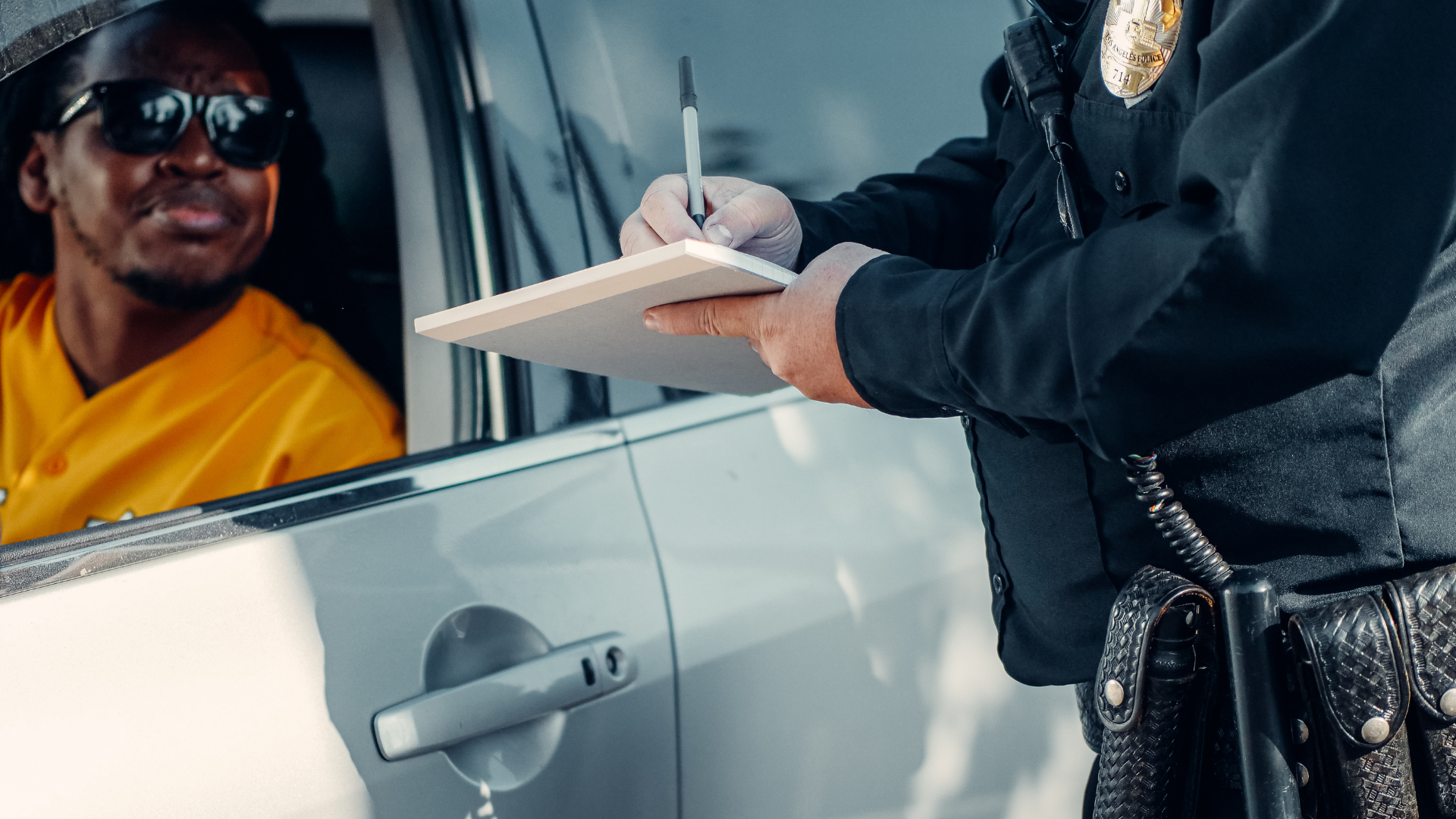
One of the primary reasons careless driving appears so frequently is that most motor vehicle collisions in Ontario can potentially result in this charge. When police respond to an accident scene, they often need to quickly determine fault and assign responsibility for what happened.
Since police officers typically weren’t present to witness the events leading up to the collision, they must reconstruct what occurred based on:
- Physical evidence at the scene
- Damage patterns to vehicles
- Witness statements
- Driver accounts of the incident
When the investigation suggests that a driver failed to exercise “due care and attention” or didn’t show “reasonable consideration for other persons using the highway,” a careless driving charge often results. However, it is not uncommon for the police to issue a careless driving charge even when there is no evidence of careless behaviour. This enables the police to be more efficient with their time at the roadside, and puts the burden on the driver and courts to determine if an offence was committed.
It’s an Effective Enforcement Tool
The severe penalties associated with careless driving make it an effective deterrent and enforcement mechanism. With fines ranging from $400 to $2,000, six demerit points, and potential licence suspension, this charge gets drivers’ attention in a way that minor traffic violations might not.
Police officers know that issuing a careless driving charge sends a strong message about the seriousness of unsafe driving behaviours. This makes it particularly attractive for situations where multiple minor violations have occurred or where the driving behaviour was especially egregious. Since the definition of careless driving is vague, issuing a careless driving charge also decreases the chances that an officer may issue an incorrect charge or a charge that does not properly fit the situation. This makes the police more efficient at roadside, and enables them to quickly move from one accident to another, spending less time on each investigation.
The Catch-All Nature of the Offence
Intentionally Broad Legal Language
Section 130 of Ontario’s Highway Traffic Act defines careless driving as operating a vehicle “without due care and attention or without reasonable consideration for other persons using the highway”. This definition is deliberately broad, allowing it to encompass an enormous range of driving behaviours.
Unlike specific charges such as “speeding” or “failing to stop at a red light,” careless driving doesn’t require precise technical elements to be proven. Instead, it relies on the subjective assessment of whether a driver met the standard of an “average careful person” under the circumstances.
Multiple Violations Under One Charge
Rather than issuing separate tickets for various minor infractions, police officers often find it more efficient to lay a single careless driving charge that encompasses several unsafe actions. This “umbrella” approach means that a driver who was:
- Speeding
- Following too closely
- Making unsafe lane changes
- Using a mobile device
Might receive one careless driving charge instead of four separate tickets. From an enforcement perspective, this simplifies the officer’s work while ensuring the driver faces meaningful consequences.
When Specific Charges Don’t Fit
Sometimes driving behaviour is clearly unsafe but doesn’t neatly fit into specific Highway Traffic Act categories. Careless driving provides law enforcement with a mechanism to address situations that might otherwise go uncharged.
Examples include:
- Erratic driving that doesn’t constitute a specific violation
- Dangerous manoeuvres that combine multiple technical infractions
- Situations where intent is unclear but the behaviour was clearly unsafe
Police Discretion and Interpretation
Officer Judgment Calls
Police officers have significant discretion when deciding to lay a careless driving charge. This discretion is both a strength and a complication of the system. Officers must make real-time decisions about whether observed behaviour constitutes careless driving based on their training, experience, and interpretation of the circumstances.
Factors that influence an officer’s decision include:
- The severity of the observed behaviour
- Whether anyone was endangered
- The driver’s apparent attitude and cooperation
- The potential for similar future behaviour
- The overall safety impact of the incident
Subjective Standards Create Variability
The objective test for careless driving asks whether an “average careful person” would have acted differently under the same circumstances. However, applying this standard requires subjective judgment about what constitutes “reasonable” behaviour.
This subjectivity means that similar situations might be handled differently by different officers, creating some inconsistency in enforcement. What one officer considers careless driving, another might view as a momentary lapse in judgment not warranting such a serious charge.
Pressure to Take Action
When accidents occur or when public safety is clearly compromised, police officers face pressure to take meaningful enforcement action. Careless driving provides a substantial charge that demonstrates accountability and sends a message about the importance of safe driving.
This is particularly evident in high-profile cases or situations where public attention focuses on road safety issues.
How It Compares to Other Traffic Violations
Penalty Severity Drives Usage
Compared to most other Highway Traffic Act violations, careless driving carries some of the most severe penalties available for non-criminal offences. This makes it attractive for situations where police want to ensure meaningful consequences.
Careless Driving vs. Common Alternatives:
| Offence | Fine Range | Demerit Points | Licence Impact |
| Careless Driving | $400-$2,000 | 6 points | Up to 2 years suspension |
| Speeding (minor) | $40-$200 | 0-3 points | No suspension |
| Following Too Closely | $85-$400 | 4 points | Suspension for novice drivers only |
| Improper Lane Change | $85-$400 | 3 points | No suspension |
Insurance Impact Considerations
Insurance companies treat careless driving as one of the most serious non-criminal traffic offences. While a minor speeding ticket might increase premiums by 10-15%, a careless driving conviction can double or triple insurance costs for several years.
This dramatic insurance impact often comes as a shock to drivers who view their situation as a simple mistake rather than a serious offence.
Court Process Differences
Unlike simple traffic tickets that can be paid online, careless driving charges issued on a summons require court appearances and more complex legal proceedings. This creates additional stress and complexity for drivers while demonstrating the seriousness with which the legal system treats these charges.
Responding to a Careless Driving Charge
Don’t Just Pay the Fine
The biggest mistake drivers make when facing careless driving charges is simply paying the fine and moving on. Paying the fine constitutes a guilty plea and results in an automatic conviction with all the associated penalties.
Given the severe consequences, including demerit points, potential licence suspension, and dramatic insurance increases, it’s almost always worth exploring your options before accepting a conviction.
Understanding Your Options
When charged with careless driving, you have several options:
Plead Guilty: Accept the charge and face full penalties. This is rarely the best choice without first exploring alternatives.
Plead Guilty with Explanation: Appear in court to explain circumstances. You will face full penalties for this option as well.
Plead Not Guilty: Challenge the charge in court, either seeking dismissal or negotiating a reduction to a lesser offence.
The Value of Professional Legal Help
Given the complexity of careless driving cases and the severity of potential consequences, professional legal representation is usually essential. Experienced legal professionals can:
- Identify weaknesses in the Crown’s case
- Negotiate charge reductions to lesser offences
- Present technical or due diligence defences you might not recognise
- Navigate court procedures effectively
- Protect your long-term interests regarding insurance and licencing
The cost of legal representation is often far less than the long-term financial impact of a careless driving conviction.
Your Top Questions About Careless Driving Answered
Q: Why is careless driving so much more common than dangerous driving charges? A: Careless driving is a provincial offence under the Highway Traffic Act, while dangerous driving is a criminal offence requiring proof of intention. Careless driving charges are processed through provincial offences court rather than criminal court. Since accidents do not involve intent, careless driving is the only charge that fits most traffic situations.
Q: Can I be charged with careless driving even if I didn’t cause an accident? A: Absolutely. Careless driving charges can be laid based on observed behaviour, even when no collision occurs. Police officers who witness unsafe driving, such as aggressive lane changes, racing, or severely distracted driving, can issue charges based solely on their observations or the observations of other drivers
Q: If the charge is so broad, how can anyone successfully fight it? A: The broad definition that makes careless driving easy to charge also creates opportunities for defence. Experienced legal professionals can challenge whether the behaviour truly met the “average careful driver” standard, identify procedural errors, or negotiate reductions based on case circumstances. Success often depends on thorough case analysis and skilled legal representation.
Q: Will a careless driving charge affect my employment? A: It depends on your job, but potentially yes. Commercial drivers face the most immediate employment risks, as many employers have strict policies about serious traffic convictions. Even non-driving jobs may be affected if background checks are required or if your role involves company vehicles. A licence suspension could impede your ability to get to work, even if your job does not require driving. The good news is that careless driving doesn’t create a criminal record, which limits some employment impacts.
Take Control of Your Situation
Careless driving’s status as one of Ontario’s most common traffic charges doesn’t make it any less serious for your specific situation. The broad definition and severe penalties that make it attractive to law enforcement also create opportunities for skilled legal defence.
Don’t let the frequency of these charges fool you into thinking they’re routine or minor. The consequences are real and long-lasting, but so are the opportunities to fight back effectively.
Contact OTD Legal today for a free consultation to discuss your careless driving charge and learn about your options. Our experienced team understands the complexities of these cases and has successfully helped thousands of Ontario drivers protect their records and their futures.
The sooner you act, the more options you’ll have for achieving a positive outcome.